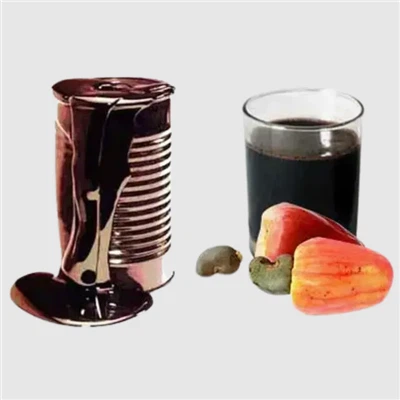
Research on the Biodegradability of Cardanol
Studies on the biodegradability of cardanol indicate that its biodegradability depends on factors such as concentration, environmental conditions, and microbial activity. While some studies suggest that cardanol can be degraded by microorganisms in soil and water over time, other studies indicate that its biodegradability may be limited under certain conditions. In comparison, the environmental impact of cardanol is considered lower than that of synthetic phenolic compounds commonly used in industrial applications. This is due to its natural origin and potential for biodegradation, which reduces its persistence in the environment and minimizes long-term ecological risks.
Applications of Cardanol in Environmentally Friendly and Sustainable Products
The biodegradability and relatively low environmental impact of cardanol make it an attractive option for environmentally friendly and sustainable products. Industries are increasingly incorporating cardanol into various applications, including biodegradable plastics, coatings, adhesives, and preservatives, as part of efforts to reduce reliance on fossil fuel-derived chemicals and mitigate environmental pollution. By leveraging the natural properties of cardanol, companies can develop environmentally friendly alternatives with comparable performance while minimizing their ecological footprint. Therefore, cardanol holds promise as a valuable resource for promoting environmental sustainability across different industries.