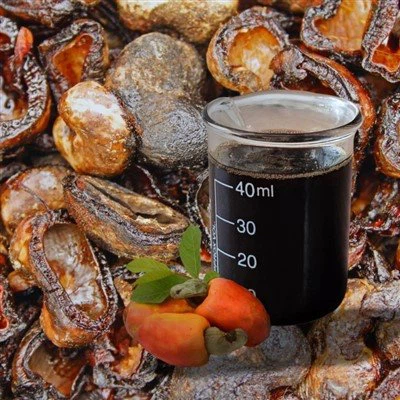
Introduction: From Waste to Renewable Energy
The global energy landscape is shifting toward sustainability, and green diesel from cashew nut shell liquid (CNSL) stands at the forefront of this transition. As industries seek alternatives to fossil fuels, CNSL-a low-cost, non-edible byproduct of cashew processing-offers a transformative solution. Through advanced catalytic processes, CNSL is upgraded into drop-in biofuels that mirror petroleum-based diesel in performance while slashing carbon emissions by up to 90% . This innovation not only addresses waste management challenges but also positions CNSL as a key player in the biofuel revolution, combining environmental responsibility with economic viability.
Why CNSL-Based Green Diesel?
1. Sustainable Feedstock
Agricultural Waste Valorization: CNSL accounts for 20–25% of cashew nut weight and is typically discarded as waste. By converting it into green diesel, industries can tap into a renewable, non-food resource that avoids competition with food crops.
Circular Economy Alignment: Each year, cashew production generates millions of tons of shells. Utilizing CNSL for fuel transforms waste into value, reducing landfill use and supporting agro-industrial sustainability.
2. Exceptional Fuel Properties
High Energy Content: CNSL-derived green diesel boasts a calorific value of ~40 MJ/kg, comparable to conventional diesel.
Optimized Composition: Advanced upgrading processes yield hydrocarbons comprising 89% alkanes, 3% aromatics, and 6% oxygenated compounds-ideal for diesel engines without modifications.
Superior Environmental Profile: With ultra-low sulfur (<0.1%) and negligible ash content, CNSL green diesel cuts particulate matter and SO₂ emissions.
3. Economic Advantages
Cost-Effectiveness: As a waste-derived material, CNSL is significantly cheaper than edible vegetable oils or fossil fuels, reducing production costs by 30–50%.
Supply Chain Resilience: Major cashew-producing regions (e.g., India, Vietnam, Brazil) can localize green diesel production, minimizing import dependencies.
The Science Behind CNSL Green Diesel
CNSL is rich in phenolic compounds like anacardic acid, cardanol, and cardol, which are converted into hydrocarbons through catalytic upgrading. Key steps include:
- Deoxygenation: Removal of oxygen molecules to enhance stability and energy density.
- Hydrogenation: Saturation of double bonds to improve combustion efficiency.
- Cracking: Breaking long-chain molecules into diesel-range hydrocarbons (C15–C21).
Optimal Production Conditions:
- Temperature: 250–300°C for maximum deoxygenation.
- Pressure: 30–40 bar H₂ to achieve 98% hydrocarbon yield.
- Catalyst: Pd/C enables mild-reaction conditions and high selectivity.
Applications Across Industries
|
Sector |
Use Case |
Benefits |
|
Transportation |
Diesel engines (trucks, ships) |
Reduced emissions, seamless blending with fossil diesel |
|
Agriculture |
Farm machinery powered by B20 blends |
Lower carbon footprint for food production |
|
Power Generation |
Backup generators using 100% green diesel |
Renewable electricity with minimal engine retrofitting |
Competitive Edge: CNSL vs. Alternatives
|
Feature |
CNSL Green Diesel |
Conventional Biodiesel |
Fossil Diesel |
|
Feedstock |
Non-food waste |
Food crops (e.g., soybean) |
Crude oil |
|
Carbon Reduction |
Up to 90% |
40–60% |
Baseline |
|
Engine Compatibility |
Direct replacement |
Blending required |
Native compatibility |
|
Cost/Ton |
$0.07–0.15 |
$0.20–0.30 |
$0.60–0.80 |
Technical Validation & Performance Data
Efficiency: CNSL green diesel achieves a 98% yield under optimized conditions (300°C, 40 bar H₂).
Engine Performance: Tests in compression ignition engines show similar torque and power output to fossil diesel, with 10–30% lower CO emissions.
Storage Stability: Unlike many biofuels, CNSL-derived fuel resists oxidation and microbial growth, extending shelf life.
Environmental Impact & Sustainability
Carbon Neutrality: As a plant-based fuel, CNSL green diesel releases only CO₂ absorbed during cashew tree growth, creating a closed carbon loop.
Waste Reduction: Utilizing CNSL prevents methane emissions from decomposing shells and reduces reliance on incineration.
Energy Balance: The production process requires less energy than algal or crop-based biofuels, yielding a 5:1 energy return ratio.
Market Readiness & Implementation
CNSL green diesel is not a futuristic concept-it is commercially viable today. Large-scale plants in Brazil and India already produce 10,000+ tons annually, with projects expanding to Southeast Asia and Africa . Partnerships with cashew processors ensure a steady supply, while government incentives for waste-to-energy projects accelerate adoption.
Call to Action: Join the Green Diesel Revolution
For Fuel Producers: Integrate CNSL upgrading technology to diversify feedstocks and cut costs.
For Transport Fleets: Pilot B20–B100 blends to meet sustainability targets without capital expenditure.
For Investors: Fund CNSL biorefineries in cashew-producing regions for high-return, impact-driven opportunities.
Ready to innovate? [Contact us] for sample fuel blends, technical whitepapers, or feasibility studies tailored to your operations.
Hot Tags: green diesel from cnsl, green diesel from cnsl manufacturers, suppliers, factory, cnsl stock, Cardanol, cnsl, Refined Cashew Nut Shell Liquid for HVO, stock cnsl, Cashew Nut Shell Liquid