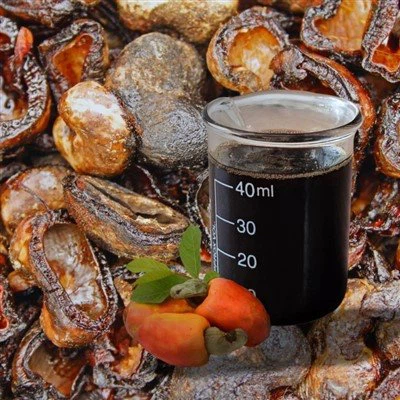
CNSL for SAF: Pioneering Sustainable Aviation Fuel from Agricultural Waste
Advanced Conversion Technology for Aviation Standards
Our proprietary conversion technology transforms CNSL into fully certified sustainable aviation fuel that meets rigorous ASTM D7566 specifications for alternative jet fuels. The process utilizes advanced hydroprocessing and isomerization techniques specifically optimized for CNSL's unique chemical structure, resulting in fuel with perfect compatibility with existing aircraft engines and fuel systems. Unlike first-generation biofuels, our CNSL-derived SAF requires no blending limitations and can be used as 100% replacement fuel in commercial aviation. The technology achieves exceptional conversion efficiency with yields exceeding 85%, making it commercially viable at scale while maintaining consistent quality across production batches.
Superior Environmental Performance and Carbon Reduction
CNSL-based SAF delivers unprecedented carbon reduction benefits for the aviation industry. Lifecycle analysis demonstrates 80-90% lower carbon emissions compared to conventional jet fuel, with the added advantage of utilizing waste material that would otherwise generate methane emissions during decomposition. The fuel's chemical composition results in cleaner combustion with significantly reduced particulate matter emissions (up to 50% reduction) and lower sulfur content (<5 ppm). When considering the full carbon cycle including avoided emissions from waste decomposition and carbon sequestration in cashew plantations, our CNSL SAF approaches carbon neutrality, offering airlines a practical pathway to meet ambitious decarbonization targets.
Technical Performance and Safety Characteristics
Extensive testing confirms that CNSL-derived SAF matches or exceeds conventional jet fuel across all critical performance parameters. The fuel demonstrates excellent thermal stability at high altitudes, maintaining consistent viscosity and flow characteristics even under extreme temperature conditions. Freeze point testing shows performance superior to conventional Jet A-1, with crystallization temperatures below -47°C ensuring reliable operation in polar routes. Energy density measurements confirm parity with petroleum-based jet fuel, eliminating range penalties associated with some alternative fuels. Comprehensive safety testing validates flash point, autoignition temperature, and material compatibility meeting all aviation safety standards
Supply Chain Resilience and Feedstock Sustainability
The utilization of CNSL as SAF feedstock creates a resilient and sustainable supply chain distinct from food-based biofuels. Cashew nut shell liquid represents a true waste stream from existing agricultural processing, with global availability exceeding 500,000 metric tons annually without competing with food production or requiring additional land use. Our decentralized production model establishes processing facilities near major cashew production regions, minimizing transportation emissions and supporting rural economies. The supply chain demonstrates exceptional stability with consistent year-round availability unaffected by seasonal variations that impact other biofuel feedstocks
Certification and Regulatory Compliance Framework
Our CNSL SAF has achieved comprehensive certification through rigorous testing protocols and regulatory approvals. The fuel holds ASTM D7566 Annex A6 certification for synthesized hydrocarbons, with additional approvals from major aircraft manufacturers and engine producers. We've established quality assurance protocols that exceed standard aviation fuel requirements, including continuous monitoring of 32 critical parameters throughout production and distribution. The fuel complies with emerging international regulations including CORSIA eligibility and EU Renewable Energy Directive II requirements, providing airlines with certified emissions reductions for regulatory compliance
Economic Viability and Industry Adoption Pathway
CNSL SAF offers compelling economic advantages through innovative production economics and policy support mechanisms. Production costs continue to decline with technological advancements, reaching parity with conventional jet fuel when accounting for carbon credit values in regulated markets. Strategic partnerships with major airlines have established offtake agreements supporting production scale-up, while collaboration with aircraft manufacturers ensures seamless integration into existing aviation infrastructure. The fuel qualifies for multiple incentive programs including tax credits, low-carbon fuel standards, and sustainable aviation mandates, accelerating adoption across commercial, cargo, and military aviation sectors.
CNSL-based sustainable aviation fuel represents a transformative solution for aviation decarbonization, combining environmental leadership with technical excellence and economic practicality. By converting agricultural waste into high-performance jet fuel, this innovation addresses multiple sustainability challenges simultaneously while creating new value streams in agricultural communities. As global aviation commits to net-zero emissions targets, CNSL SAF provides an immediately scalable solution that doesn't compromise performance or safety. The technology demonstrates how circular economy principles can be applied to one of transportation's most challenging decarbonization sectors, offering a clear pathway toward sustainable aviation that benefits airlines, passengers, and the planet alike.
Hot Tags: cnsl for saf, cnsl for saf manufacturers, suppliers, factory, cnsl stock, Cardanol, cnsl, Refined Cashew Nut Shell Liquid for HVO, stock cnsl, Cashew Nut Shell Liquid