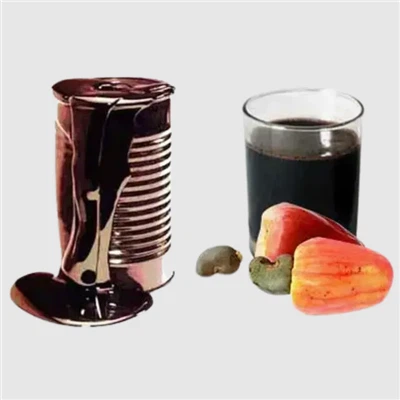
Introduction: Turning Waste into Energy
In the quest for sustainable energy, CNSL biodiesel emerges as a game-changing solution that aligns economic viability with environmental stewardship. Derived from the liquid within cashew nut shells-a previously underutilized byproduct-CNSL biodiesel offers a renewable alternative to fossil diesel while addressing waste management challenges in the agriculture sector. With the global biofuel market expanding rapidly, CNSL stands out for its unique chemical properties, high energy content, and potential to slash carbon emissions by up to 90% compared to conventional fuels. This innovation not only reduces reliance on finite resources but also supports circular economy principles by converting waste into value.
What Is CNSL Biodiesel?
Cashew Nut Shell Liquid (CNSL) is a natural oil extracted from the honeycomb structure of cashew shells during processing. When refined into biodiesel through processes like transesterification or pyrolysis, CNSL transforms into a clean-burning fuel suitable for diesel engines. Its composition-rich in phenolic compounds like cardanol, cardol, and anacardic acid-grants it exceptional lubricity and combustion efficiency. Unlike biodiesel from edible crops (e.g., soybean or palm oil), CNSL avoids the "food vs. fuel" debate by using non-edible waste, making it a socially responsible choice.
Key Advantages of CNSL Biodiesel
1. Environmental Benefits
Carbon Reduction: CNSL biodiesel can cut greenhouse gas emissions by up to 90% over its lifecycle compared to fossil diesel.
Waste Valorization: Utilizing cashew shells-which constitute 30% of the nut's weight-prevents environmental contamination from improper disposal and reduces agricultural waste.
Biodegradability: As a plant-based fuel, CNSL biodiesel breaks down more easily than petroleum-based alternatives, minimizing ecological harm.
2. Engine Performance and Compatibility
Superior Lubrication: CNSL-based blends enhance engine lubrication, reducing wear and extending engine life.
High Calorific Value: With an energy content of ~40 MJ/kg, CNSL biodiesel matches conventional diesel in power output.
Blending Flexibility: It can be blended with diesel (e.g., B5, B10, B20) or additives like diethyl ether (DEE) to optimize combustion, reduce ignition delay, and lower emissions of CO and hydrocarbons.
3. Economic and Supply Chain Resilience
Cost-Effectiveness: As a waste-derived material, CNSL is cheaper than many biofuel feedstocks, stabilizing production costs.
Local Sourcing: Major cashew-producing regions (e.g., India, Vietnam, Brazil) can develop decentralized biofuel hubs, boosting rural economies.
Applications Across Industries
CNSL biodiesel is versatile, serving diverse sectors:
- Transportation: Ideal for trucks, buses, and ships, with blends like B20 already tested in maritime operations.
- Agriculture: Powers farm machinery while reducing the carbon footprint of food production.
- Power Generation: Provides backup electricity in off-grid areas using standard diesel generators.
Table: Comparison of CNSL Blends with Conventional Diesel
|
Parameter |
100% Diesel |
CNSL-Diesel Blends |
100% FAME Biodiesel |
|
CO Reduction |
Baseline |
Up to 30% lower |
Similar to CNSL |
|
Lubricity |
Moderate |
Excellent |
Good |
|
Feedstock Cost |
High |
Low (waste-based) |
Variable (crop-dependent) |
Overcoming Challenges: The Path to Optimization
While CNSL biodiesel has promising attributes, its adoption requires addressing:
- Quality Control: Low-grade CNSL with high acidity or impurities can cause engine deposits or filter clogging. Advanced refining (e.g., >98% cardanol content) mitigates this.
- Blending Protocols: Compatibility with existing engines varies. For instance, blending with high-sulfur fuels (HSFO) may reduce performance, while blends with marine gas oil (MGO) show better results.
- Standardization: CNSL is not yet recognized in ISO 8217 fuel standards, but buyer-seller agreements can define specifications.
The Future: Innovation and Sustainability Synergy
Research is unlocking CNSL's full potential through:
- AI-Driven Optimization: Machine learning models predict optimal extraction methods and blend ratios, maximizing yield and performance.
- Nano-Emulsions: Enhancing bioavailability for cleaner combustion.
- Policy Support: India's National Biofuel Policy aims for 5% biodiesel blending by 2030, creating opportunities for CNSL adoption.
Join the Green Energy Shift
CNSL biodiesel represents more than an alternative fuel-it's a commitment to planetary health and resource efficiency. By choosing CNSL, industries can:
- Meet sustainability targets without compromising performance.
- Turn waste into a revenue stream.
- Pioneer the transition to a circular economy.
Take Action Today
Contact us to explore certified CNSL biodiesel blends tailored to your needs. Request a free consultation and technical whitepaper to see how CNSL can power your operations sustainably.
Keywords: CNSL biodiesel, cashew nut shell liquid, renewable diesel, sustainable fuel, biofuel blends, carbon reduction, waste-to-energy
Hot Tags: cnsl biodiesel, cnsl biodiesel manufacturers, suppliers, factory, cnsl stock, Cardanol, cnsl, Refined Cashew Nut Shell Liquid for HVO, stock cnsl, Cashew Nut Shell Liquid